Introduction to White Bolognese Sauce
If you’re tired of the same old pasta sauces and eager to explore new flavors, then white bolognese sauce is the perfect recipe for you. This creamy, savory delight offers a refreshing twist on the traditional red bolognese, focusing on rich textures and sumptuous tastes that will elevate your next pasta dish. But what makes this sauce so special?
Why Try White Bolognese Sauce?
White bolognese sauce is renowned for its wonderfully creamy consistency, which is often achieved through ingredients like milk or cream. It’s an exquisite way to enjoy a hearty meal without the heaviness of tomato-based sauces. You might be surprised to know that the origins of this dish can be traced back to the Italian region of Emilia-Romagna. There, chefs often blended finely chopped meats, vegetables, and dairy to create a comforting sauce that pairs beautifully with various types of pasta.
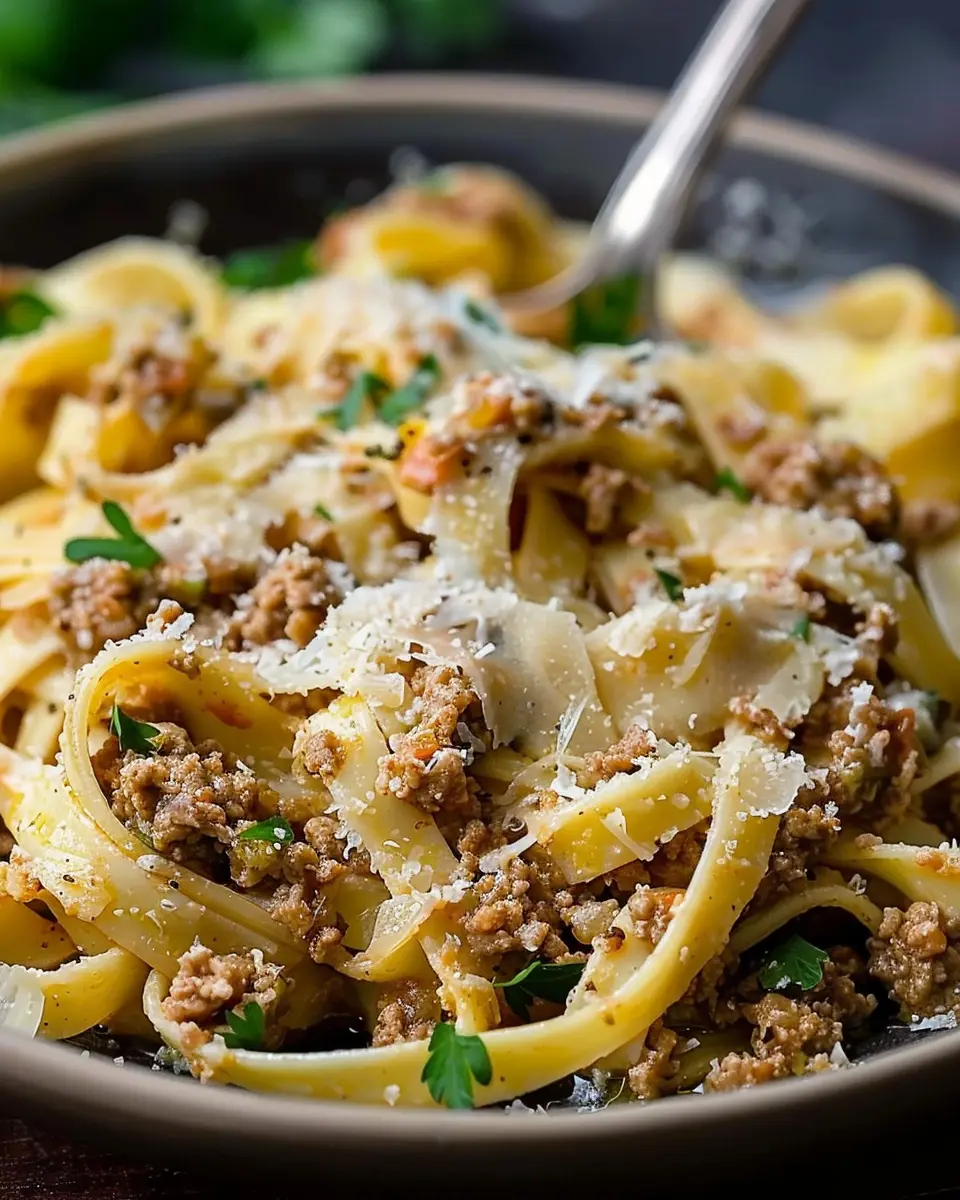
Imagine sitting down to a plate of tagliatelle topped with a generous serving of white bolognese, made with ground turkey bacon and chicken ham. The savory flavor profile will leave you craving more. Unlike its traditional counterpart, this version stands out for its sophisticated taste, making it perfect for a date night or a cozy dinner with friends.
Some experts argue that using white sauces instead of red can be beneficial for your digestive health, as they typically contain fewer acidic components. Plus, they allow for more versatility in terms of flavor pairings. For a few great ideas on perfect pairings, check out this guide to pasta sauces, which explores unique combinations that will inspire your culinary creativity.
Ready to dive into this deliciousness? Making white bolognese sauce is simpler than you think! With the right ingredients and a little patience, you can achieve a restaurant-quality dish right in your own kitchen. The comforting aroma and creamy texture will certainly impress anyone you serve, and who knows—you might even become famous among your friends for your cooking skills!
Stay tuned as we guide you through the full recipe of white bolognese sauce, bringing the taste of Italy straight to your dining table.
Ingredients for White Bolognese Sauce
Essential ingredients
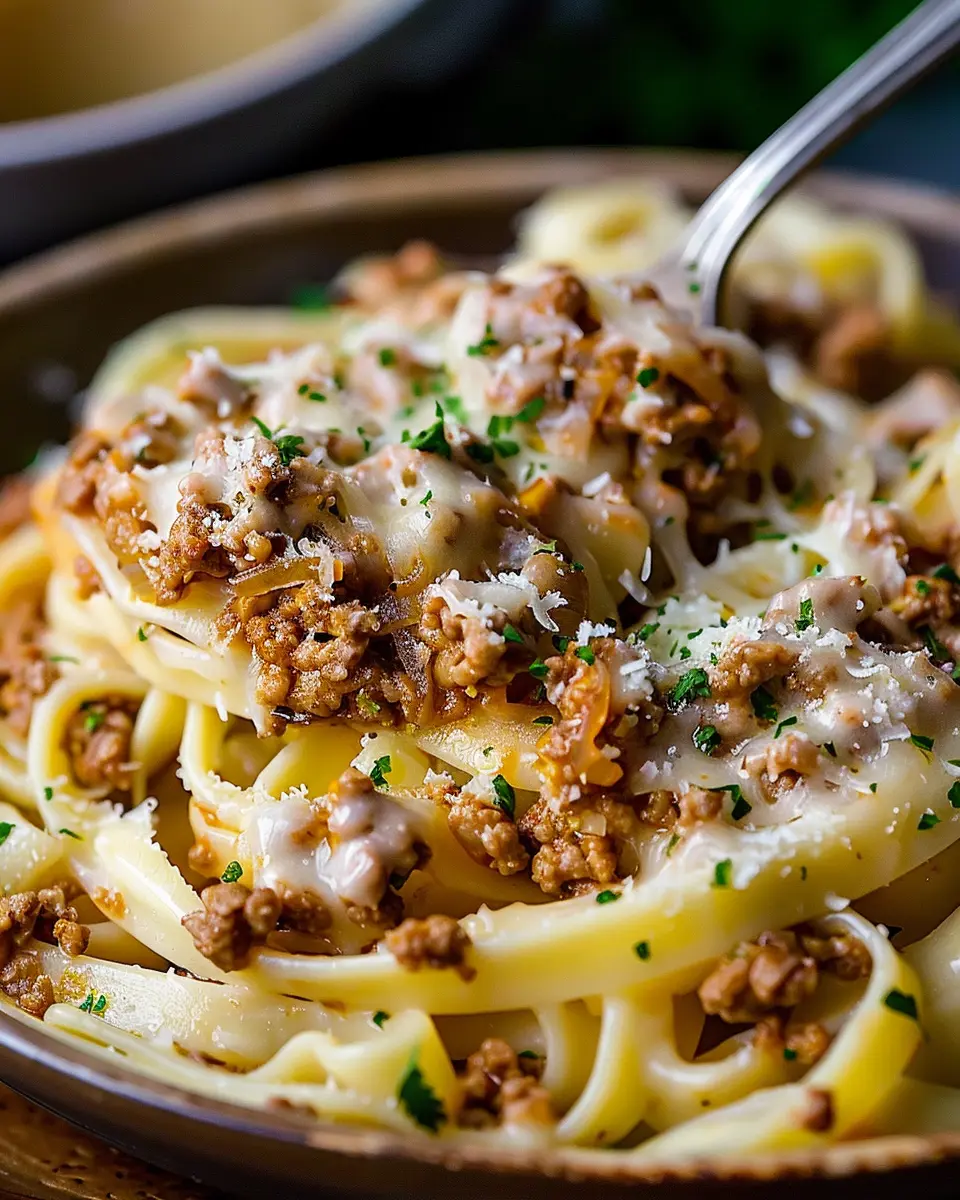
To whip up a delicious white Bolognese sauce, you’ll need a few key ingredients that serve as the backbone of this savory dish:
- Ground beef: This is the main protein source; it adds a rich flavor and texture.
- Turkey bacon: A healthier alternative that brings smokiness to balance the sauce’s creaminess.
- Chicken ham: Adds a unique depth and a touch of sweetness to the sauce.
- Onion: Finely chopped, it provides a subtle sweetness when sautéed.
- Garlic: A must-have for that aromatic punch.
- Carrot: Diced for sweetness and color.
- Milk: The hero ingredient; it gives the sauce its characteristic creamy texture.
Optional ingredients
While the essentials will give you a robust white Bolognese sauce, here are some optional ingredients that can elevate your sauce even further:
- Chicken or vegetable broth: For added depth of flavor without overwhelming the dish.
- Parmesan cheese: A sprinkle on top can make all the difference.
- Nutmeg: Just a pinch can enhance the traditional flavor profile.
- Fresh herbs: Consider adding basil or parsley for a fresh finish.
Feel free to explore and adjust the ingredients according to your taste. Cooking is all about creativity!
For more tips and detailed guidance, check out this informative piece on sauce techniques that might inspire you. Happy cooking!
Preparing White Bolognese Sauce
When it comes to getting dinner on the table while also impressing your guests, white Bolognese sauce is a game-changer. This creamy, savory sauce is rich in flavor and a delightful alternative to the classic red variety. Plus, it’s surprisingly easy to prepare! Let’s walk through the steps together.
Sauté the Turkey Bacon
To kick things off, you’ll want to incorporate some texture and flavor by sautéing the turkey bacon. Begin by chopping 4-6 slices of turkey bacon into small pieces. Heat a large skillet over medium heat and add the turkey bacon. Cook until it starts to brown and crisp up, which should take about 5-7 minutes.
Turkey bacon provides a lighter option but still adds that irresistible salty bite that complements your white Bolognese sauce. Once it’s nice and crispy, transfer it to a plate lined with paper towels to absorb any excess fat. Leave the rendered fat in the skillet; this will add a beautiful depth of flavor to the vegetables and meat that follow. If you want a new take on turkey bacon, consider trying out brands like Applegate or Oscar Mayer.
Cook the Vegetables
Next, it’s all about those aromatic vegetables that will support your white Bolognese sauce. In the same skillet, add a mix of finely chopped onions, carrots, and celery—commonly referred to as a mirepoix. You’ll want to use about one cup of this mixture total. Cook these on medium heat until softened, around 5-7 minutes.
Stir occasionally and don’t forget to season them lightly with salt and pepper. This base is crucial because it infuses the sauce with rich, flavorful notes. If you enjoy some spice, consider adding a pinch of red pepper flakes! While the vegetables are cooking, think about all the different variations of Bolognese sauces. Some might even add mushrooms or sweet bell peppers for additional layers of taste.
Brown the Ground Beef
Once your veggies have softened, it’s time to introduce the star of the show: the ground beef. Add about one pound of good-quality ground beef to the skillet. Use a wooden spoon to break it apart as it cooks. The goal here is to brown it evenly, which enhances the flavor of the meat. This should take around 8-10 minutes. Make sure to stir frequently to avoid any bits from sticking to the bottom of the pan.
As you’re browning the beef, picture how the rich flavors are starting to meld together. It’s such satisfying work, isn’t it? Fun fact: a study from the Institute of Culinary Education shows that the Maillard reaction, which occurs during browning, adds complex flavors and aromas to your dishes.
Add Broth and Herbs
Once your beef is browned and fully cooked, it’s time to elevate your white Bolognese sauce with broth and herbs. Pour in about 1 cup of low-sodium chicken or vegetable broth. This not only helps to deglaze the pan but also adds moisture to the sauce.
Now, toss in some fresh thyme and a bay leaf. Let this simmer for about 10-15 minutes to allow the flavors to develop fully. Don’t forget to taste and adjust with more seasoning if needed. This part is crucial, as it builds the foundation of your sauce, enveloping everything in a luscious texture.
Finish with Milk
Finally, we arrive at the creamiest part of our white Bolognese sauce—adding the milk. Pour in about ¾ cup of whole milk and allow it to simmer gently for an additional 5-10 minutes. This step enriches the sauce, making it velvety without feeling too heavy. The milk combines with the beef and vegetables to create that mouth-watering creaminess we all love.
It’s at this point that you may want to serve up your luscious white Bolognese sauce over pasta, lasagna, or even polenta. The beauty of this sauce lies in its versatility and how it can seamlessly elevate many dishes.
Conclusion
And just like that, you have created a sumptuous dish that will leave your friends and family talking long after the meal is over. The combination of turkey bacon, ground beef, and those tender, flavorful vegetables all meld perfectly in this rich ensemble. Give it a try, and enjoy the process!
Variations on White Bolognese Sauce
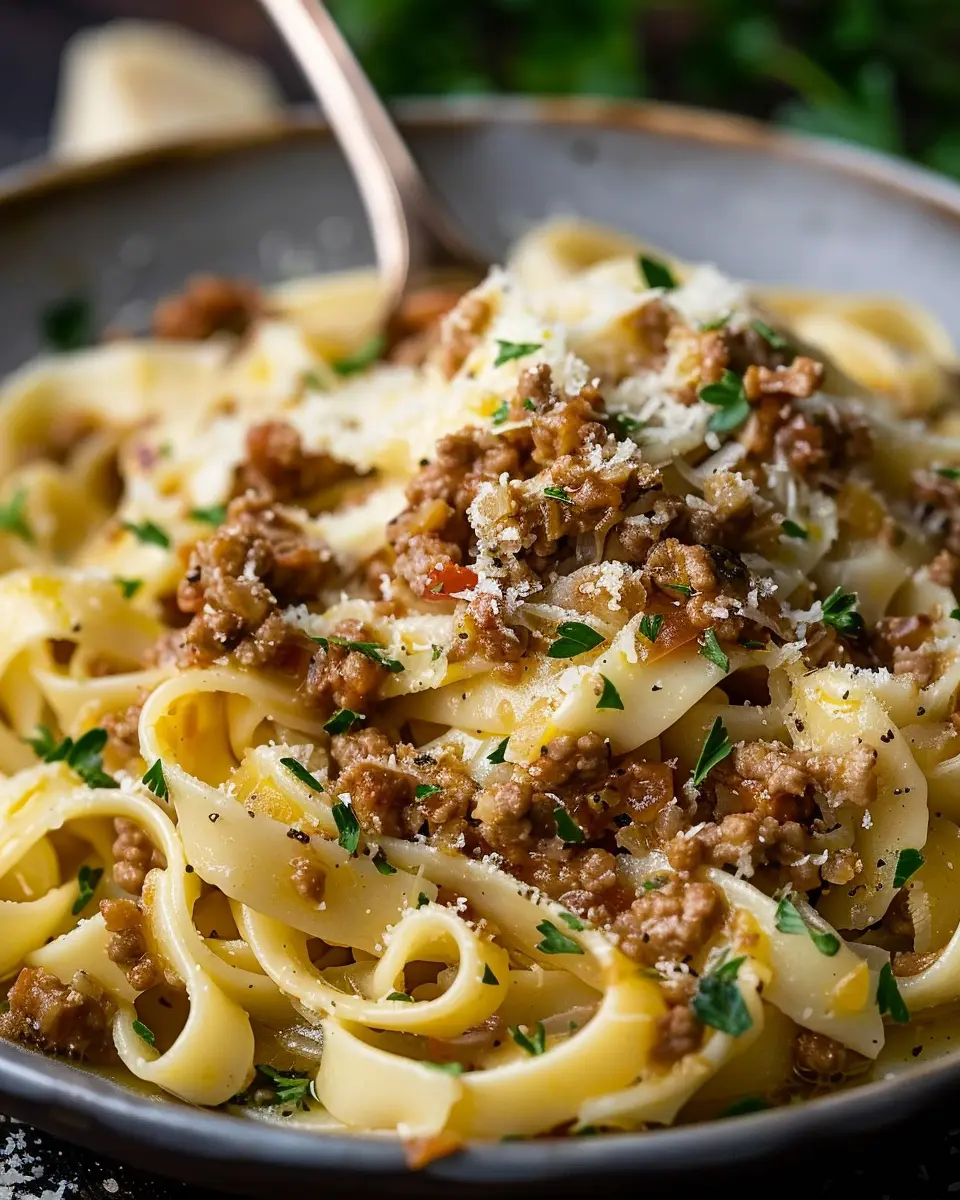
When it comes to white bolognese sauce, versatility is key. Whether you’re looking to lighten up your meal or cater to dietary preferences, there’s a variation to suit everyone’s tastebuds.
Ground Turkey Version
If you’re after a lighter option, consider substituting traditional ground beef with ground turkey. This lean protein is lower in fat and still offers that hearty texture you crave. Here’s how you can adjust the recipe:
- Use 1 pound of ground turkey in place of beef.
- Season the turkey well with herbs like thyme and rosemary to enhance flavor.
- Cook it thoroughly before adding your aromatics—this will keep it moist and flavorful.
Ground turkey pulls off the white bolognese sauce magic while saving some calories, making it perfect for weeknight dinners. Plus, it pairs wonderfully with pasta or even zucchini noodles for a healthy twist.
Vegetarian Version
For those who prefer a plant-based twist, you can create a delightful vegetarian version of white bolognese sauce.
- Swap out beef entirely and experiment with a mix of finely chopped vegetables such as mushrooms, bell peppers, and carrots.
- To replicate that meaty texture, consider adding lentils or plant-based ground meat alternatives.
- Use vegetable broth instead of chicken broth for added depth of flavor.
This vegetarian sauce doesn’t skimp on taste, and it’s a great way to get your daily veggies in. Whether you pour it over pasta, use it in lasagna, or serve it over quinoa, your taste buds will thank you!
Exploring these variations not only helps you accommodate different dietary needs but also makes mealtime more exciting. No matter your choice, each version offers a unique take on the classic white bolognese sauce. Want more inspiration? Check out cooking blogs like Minimalist Baker for additional creative ideas!
Cooking Tips and Notes for White Bolognese Sauce
Ingredient Substitutions
When it comes to making a delicious white Bolognese sauce, don’t hesitate to get creative with your ingredients! If you find yourself short on beef, consider using ground chicken or turkey bacon, which will still provide a rich flavor. Don’t worry if you don’t have chicken ham on hand—feel free to swap it with diced mushrooms for a vegetarian twist. For a lighter, creamy touch, opting for low-fat milk instead of heavy cream can enhance the sauce without compromising taste. It’s all about personalizing your dish!
Storage Tips
After you’ve savored your scrumptious white Bolognese sauce, you might have some leftovers. Great news! This sauce freezes beautifully. Just let it cool before transferring it to an airtight container. It should keep well in the freezer for up to three months. When you’re ready to enjoy it again, simply thaw in the refrigerator overnight and reheat gently on the stovetop. Making meals ahead of time is a fabulous way to make your busy week a little easier, isn’t it?
If you’re interested in more cooking strategies, you can check out this guide for additional insights.
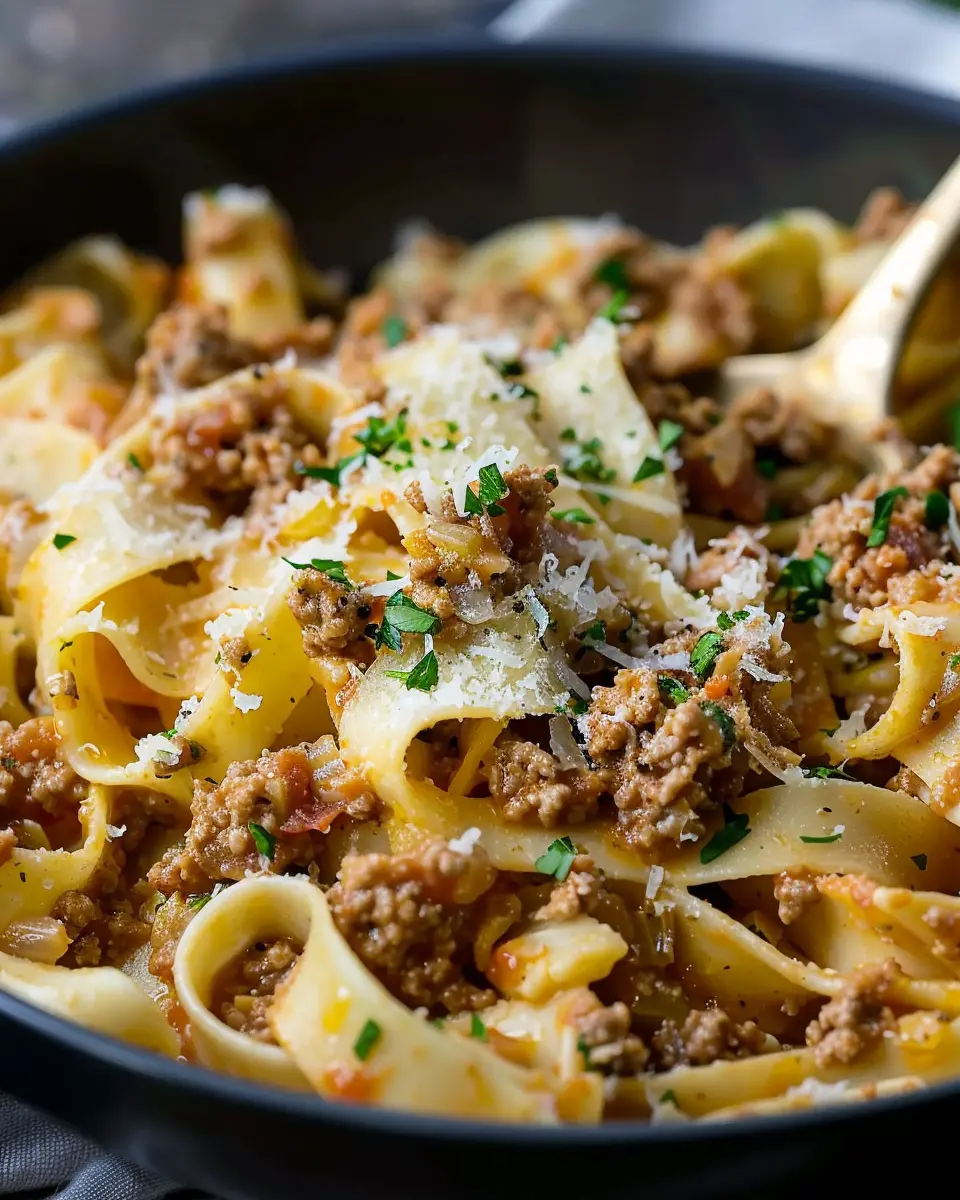
Serving suggestions for White Bolognese Sauce
Best pasta pairings
When it comes to white Bolognese sauce, the right pasta can elevate your dish to new heights. Although traditional spaghetti might come to mind, consider these delicious alternatives:
- Fettuccine: The flat ribbons perfectly catch the creamy sauce, making every bite indulgent.
- Pappardelle: Wider noodles create a satisfying texture and hold onto the sauce beautifully.
- Orecchiette: These small, ear-shaped pasta pieces scoop up the sauce, providing a fun eating experience.
If you’re in the mood for a little experiment, don’t shy away from gluten-free pasta or even zoodles (zucchini noodles). They make excellent bases for the rich sauce!
Creative serving ideas
Once you’ve tossed your noodles with the delicious white Bolognese sauce, think about unique ways to serve it. Try:
- Garnishing with fresh herbs like basil or parsley for a pop of color and flavor.
- Adding a sprinkle of nutty Parmesan cheese right before serving for extra richness.
- Serving it in baked pasta dishes by layering the sauce with sheets of lasagna or in a pasta casserole topped with breadcrumbs and cheese.
Want to explore more serving ideas? Check out these creative pasta recipes for inspiration that will impress your friends and family!
Time Breakdown for White Bolognese Sauce
Preparation Time
Getting ready for your delicious white bolognese sauce is quick and easy! Estimate about 15 minutes for chopping vegetables, measuring your ingredients, and gathering everything you need for cooking. This is your chance to modify the recipe to your taste—perhaps add some garlic or swap in your favorite veggies!
Cooking Time
The magic happens in about 1 hour. This gives the flavors plenty of time to meld together beautifully. Cooking on low heat ensures everything is tender yet flavorful, creating that rich taste you’re aiming for in your white bolognese sauce.
Total Time
In total, you’ll spend around 1 hour and 15 minutes on this comforting dish. With just a little planning ahead, you can treat yourself and your friends or family to a truly satisfying meal. Perfect for weeknights or when entertaining, this sauce pairs well with any pasta or even lasagna!
By the way, did you know that reaching for Turkey Bacon instead of traditional bacon can add a healthier twist? Consider exploring more alternatives here.
So, why not make this white bolognese sauce next time you’re craving some home-cooked goodness? Trust us; your taste buds will thank you!
Nutritional facts for White Bolognese Sauce
When it comes to cooking, understanding the nutritional value of your ingredients can really enhance your meal planning. Let’s dive into the key nutritional facts for white bolognese sauce, making it easier for you to enjoy this creamy delight guilt-free.
Calories
A typical serving of white bolognese sauce contains around 250-300 calories, depending on your specific ingredients. This makes it a satisfying yet manageable option for your dinner, fitting nicely into many dietary plans.
Protein
If you’re looking to up your protein intake, you’re in luck! This sauce often boasts about 20 grams of protein per serving, thanks to the inclusion of turkey bacon and chicken ham, contributing to its rich, hearty flavor.
Sodium
Sodium levels can vary significantly based on how much seasoning you add. Generally, you can expect about 600-800 mg of sodium per serving. If you’re watching your sodium intake, consider using low-sodium broth or minimizing added salt for a healthier version. For more information on sodium intake, check out the CDC’s guidelines.
By keeping these nutritional values in mind, you can enjoy white bolognese sauce in a balanced way, enriching your meals without the worry. It’s a timeless dish that offers both comfort and nutrition!
FAQs about White Bolognese Sauce
Can I Use Different Meats in White Bolognese Sauce?
Absolutely! One of the great things about white bolognese sauce is its versatility. While traditional recipes often use beef, feel free to get creative. You can substitute the ground beef with options like ground turkey or a mix of chicken ham and turkey bacon. Each choice brings a unique flavor and texture while keeping the dish hearty and satisfying.
How Do I Store Leftover White Bolognese Sauce?
Storing leftover white bolognese sauce is super simple! Just let it cool to room temperature, then transfer it to an airtight container. You can store it in the refrigerator for up to three days or freeze it for up to three months. Just remember to label your container with the date—this little tip can save you from mystery sauce moments later on!
When reheating, you can spoon it directly from the fridge into a pot on low heat, adding a splash of broth or milk to bring back its creamy consistency.
Is White Bolognese Sauce Gluten-Free?
Yes, white bolognese sauce can easily be made gluten-free! Just ensure you use gluten-free pasta or serve it over vegetables instead. Many brands offer gluten-free alternatives that taste delicious. If you’re using store-bought ingredients, check the labels to ensure they’re certified gluten-free.
For more tips on gluten-free cooking, consider checking out resources from the Gluten Intolerance Group for comprehensive guidance.
If you’re new to making sauce from scratch, don’t hesitate to get started—the creaminess and depth of flavor will have you hooked!
Conclusion on White Bolognese Sauce
White Bolognese sauce is a delightful twist on traditional marinara, bringing rich flavors and creamy texture to your pasta dishes. By combining lean turkey bacon, chicken ham, and beef, this sauce becomes a protein-packed option perfect for those busy weeknights. You can easily customize the ingredients to reflect your taste—add in extra veggies like zucchini or spinach for a wholesome touch.
Whether you’re hosting friends or enjoying a cozy dinner at home, this versatile sauce will impress. Don’t hesitate to explore variations and make it your own! For more tips, check out the Incremental Cooking Blog or the Culinary Institute of America.
PrintWhite Bolognese Sauce Made Easy with Turkey Bacon and Chicken Ham

A delicious twist on the classic Bolognese sauce using turkey bacon and chicken ham for a lighter, yet flavorful option.
- Prep Time: 15 minutes
- Cook Time: 15 minutes
- Total Time: 30 minutes
- Yield: 4 servings
- Category: Sauces
- Method: Stovetop
- Cuisine: Italian
- Diet: Low-carb
Ingredients
- 4 strips turkey bacon
- 1 cup chicken ham, diced
- 1 onion, finely chopped
- 2 cloves garlic, minced
- 1 cup heavy cream
- 1/2 cup grated Parmesan cheese
- 1 teaspoon salt
- 1/2 teaspoon black pepper
Instructions
- In a large skillet, cook the turkey bacon until crispy. Remove and set aside.
- Add onion and garlic to the skillet and sauté until translucent.
- Stir in chicken ham, then add the heavy cream.
- Bring to a simmer and cook for 5 minutes, stirring occasionally.
- Mix in the grated Parmesan cheese until melted.
- Season with salt and pepper, then crumble the turkey bacon back into the sauce.
- Serve over your choice of pasta.
Notes
- For a richer flavor, add a splash of white wine while cooking.
- Substitute turkey bacon with regular bacon if desired.
Nutrition
- Serving Size: 1 cup
- Calories: 320
- Sugar: 2g
- Sodium: 600mg
- Fat: 20g
- Saturated Fat: 10g
- Unsaturated Fat: 4g
- Trans Fat: 0g
- Carbohydrates: 8g
- Fiber: 0g
- Protein: 20g
- Cholesterol: 60mg